Time-saving technology
Settle an estate faster with an intuitive online platform that simplifies every task and tracks every detail.
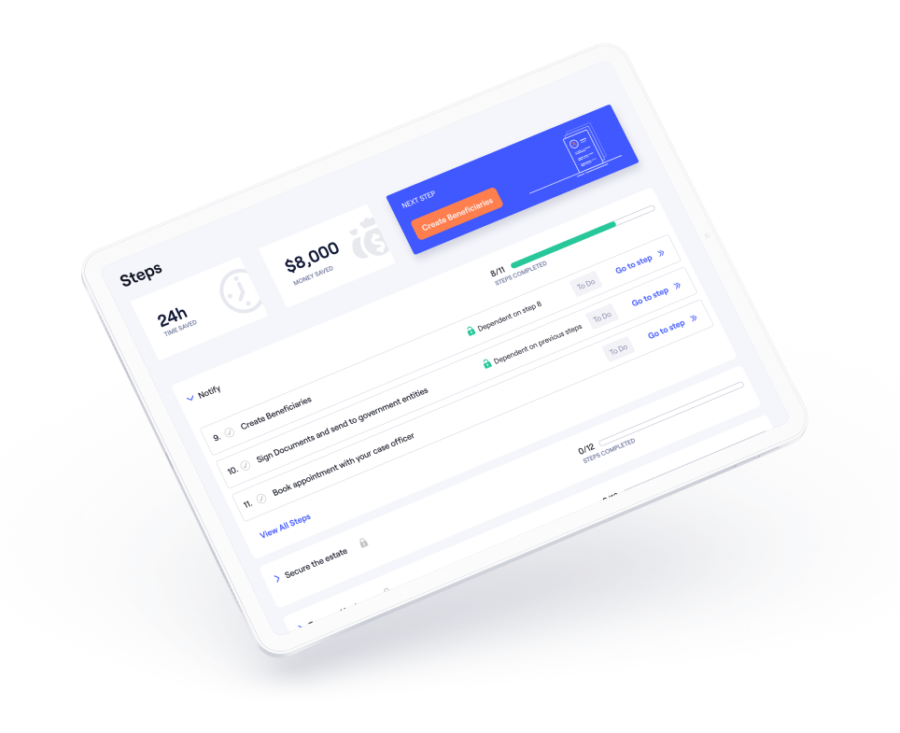
One-click form filling, centralized access to all important documents and easy online communication saves you valuable time so you can focus on what matters most.
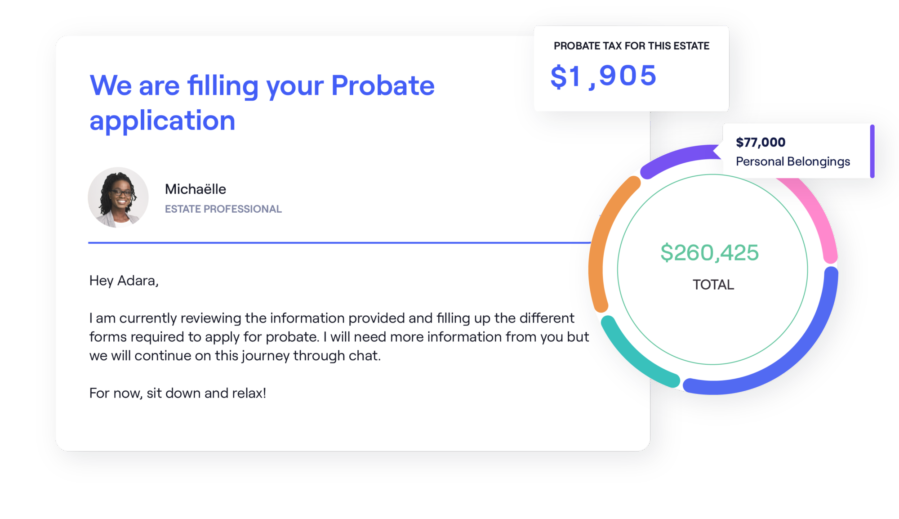
Our easy-to-use online platform guides you through every step of the process so you always know exactly what to do and what comes next. An efficient process means no hidden costs.
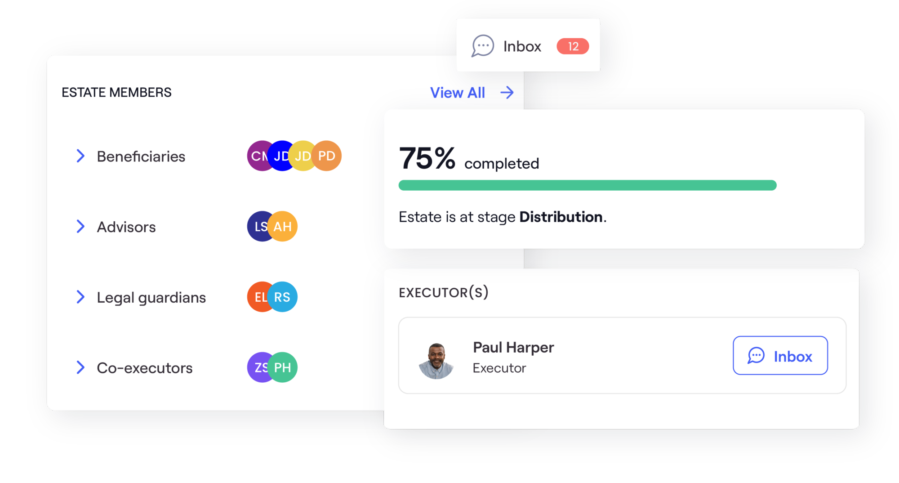
We do this all day, every day. Settling estates is our priority and we will be with you every step of the way: We’ll guide you from applying for probate and filing the right paperwork to taking care of taxes and closing the estate
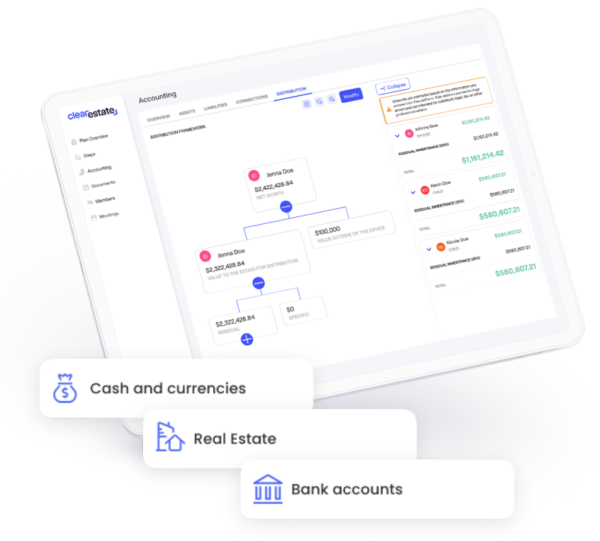
Estate settlement is simplified with our all-in-one online platform. Keep everything in one place, and easily track your progress with clear next steps, helping you move through the process quickly and confidently.

ClearEstate assists more families with their estate settlement needs per month than most lawyers do per year. Navigate estate settlement confidently with the help of our specialized team.

In times of grief, navigating estate settlement can be emotionally draining. We support families by easing the burden of estate administration.

Our goal is to clarify the complex settlement process, starting with our pricing. We fully disclose our simple pricing upfront; no hidden costs or hourly fees.
Here is what some have to say about their experience with us.

For executors seeking a streamlined process and expert support to apply for probate and settle an estate
Starting at:Included in this plan:
For executors seeking a streamlined process and expert support to apply for probate and settle an estate, including filing taxes
Starting at:Everything in Probate, plus…
For families seeking a professional executor to be responsible for the estate settlement, with ClearEstate handling the administrative burden, providing total peace of mind
Everything in Probate & Taxes, plus…
Compare all features
Settlement plan fees do not include the cost of notarization of signatures or documents, notice to creditors, estate administration tax, costs to transfer real title, services rendered to other professionals, such as appraisers, property managers, etc., or other estate expenses unless otherwise specified.
Some estates are more complicated to settle, such as where there are multiple executors, business interests, trusts, multi-jurisdictions, or where legislation requires an attorney or there is legal or tax advice or additional documents needed. In such cases, add-ons may apply and/or it may be necessary to engage external professionals at an additional cost to the estate.
*Professional Representative plan is provided in partnership with ClearEstate's trust partner and is subject to partner and court approval. Estates must be solvent and free from claims in order to qualify.
For more information, see our privacy policy and terms of use.
Probate is the legal process that confirms a will is valid and officially appoints the executor who will manage the estate. This step gives the executor the authority to collect assets, pay debts, and distribute what's left according to the will. ClearEstate helps simplify and guide you through this often complex process.
The length of the probate process can vary widely depending on the complexity of the estate and the rules in the jurisdiction where it’s being settled. In general, probate can usually take several weeks to several months. The entire estate settlement process can take anywhere from 6 to 18 months.
Probate fees are charged by the court when applying for probate. The amount varies by province and is usually based on the total value of the estate.
For example:
Because every jurisdiction has its own rules and thresholds, the total amount can differ significantly. To make it easier, ClearEstate offers a free Probate Fee Calculator so you can estimate costs quickly and accurately based on where you live and the size of the estate.
In most jurisdictions, you don't need a lawyer to file for probate. ClearEstate guides you through the entire process and prepares the necessary documents on your behalf. If your situation is complex or requires legal review, we can bring in a lawyer from our trusted partner network to ensure everything is handled properly.
Yes. ClearEstate can prepare and file all necessary probate documents on your behalf, ensuring they meet the legal requirements of your jurisdiction. If your case involves additional legal steps or complexities, we'll coordinate with legal professionals from our partner network to support you every step of the way.
An executor is responsible for carrying out the wishes outlined in a will and managing the legal and financial process of settling an estate. This includes gathering assets, paying debts and taxes, and distributing what remains to beneficiaries. ClearEstate supports executors every step of the way—from preparing probate applications to organizing key documents and timelines. Our platform, combined with expert human guidance, simplifies the process and helps executors avoid common mistakes, delays, and stress. We offer a range of estate settlement services to meet your needs.
Not at all. ClearEstate was built specifically for people going through this process for the first time. One of our founders experienced the frustration of navigating estate settlement alone after losing a loved one—and that personal journey inspired the creation of ClearEstate. Our platform offers step-by-step guidance, supported by a team of experts, so you're never left figuring it out on your own.
ClearEstate's platform uses the information you provide to automatically generate key documents such as probate petitions, government notifications, and estate inventories, based on your jurisdiction’s requirements. This automation streamlines complex paperwork, reduces manual errors, and saves you hours of administrative work. Behind the scenes, our team helps review to ensure accuracy and compliance before submission.
Yes. Being named as an executor (also known as an estate trustee or personal representative) is a serious legal and administrative responsibility, but you are not obligated to accept the role. If you’ve been named in someone’s will and prefer not to serve, you can formally decline, or “renounce”, your appointment before beginning any estate-related duties. Once you start managing the estate, however, it can be difficult or impossible to step down without court approval.
People choose to decline the executor role for many reasons, such as:
Time and complexity: Settling an estate can take months or even years.
Emotional strain: Handling a loved one’s affairs can be overwhelming while grieving.
Conflict of interest: You may feel too close to family dynamics or estate disputes.
Lack of expertise: Estates with significant assets, multiple beneficiaries, or tax implications can be challenging to manage without professional help.
If you’d rather not take on the role yourself, you can appoint or hire a professional executor or estate administrator.
When someone dies without a will — known as dying intestate — their estate is managed according to local laws rather than their personal wishes. A family member usually needs to apply to the court to become the administrator, who takes on duties like identifying assets, paying debts, and distributing what remains to the legal heirs.
Because there’s no written guidance, the process can take longer, involve more paperwork, and sometimes cause confusion or conflict among family members. The law typically prioritizes spouses, children, and close relatives — meaning friends, stepchildren, or charities usually aren’t included.
In short, settling an estate without a will is often more complex and time-consuming, adding stress at an already difficult time. Professional support from ClearEstate can help ensure everything is handled properly and efficiently.
Estate planning can be especially sensitive when dealing with complex family dynamics, such as when there is a family member who may contest the will. Family disputes or disagreements over the distribution of assets can lead to prolonged legal battles, emotional strain, and delays in the settlement process. To address this, it is crucial to take steps in advance to minimize the potential for conflict. One key strategy is to appoint a neutral professional executor—such as ClearEstate's trust partner—that has no personal stake in the estate. Whether appointed at the outset or brought in during the settlement process, ClearEstate offers expert guidance and support to ensure that all tasks are completed smoothly, minimizing stress and the potential for disputes.


